
Animal nutritionists for cattle, buffalo, swine, and other livestock know a frustrating truth: two batches of maize with identical crude protein and energy levels can produce dramatically different animal performance.
The reason? Digestibility: the percentage of nutrients actually absorbed and utilized by the animal varies far more than basic compositional analysis reveals.
A dairy cow might digest 85% of starch from one maize lot and only 72% from another. A pig might extract 78% of protein from genetically-optimized maize versus 68% from conventional. These differences aren’t visible on a standard feed analysis report but they directly impact milk production, average daily gain (ADG), feed conversion efficiency, and profitability per animal.
The Digestibility Divide
The Indian animal feed industry (excluding poultry) processes 8–10 million tonnes of maize annually. A 10–15% digestibility variation translates to Rs. 800–1,500 crores in lost production efficiency.
Yet procurement still happens on visible parameters and digestibility isn’t visible. This article explores how genetics shapes digestibility at the molecular level, and why verifying digestibility predictors at procurement has become essential for competitive animal nutrition.
Understanding Digestibility at the Genetic Level
Digestibility isn’t just about nutrient quantity it’s about nutrient accessibility to digestive enzymes. At the genetic level, several factors determine this:
01Starch Granule Structure: The Vitreousness Factor
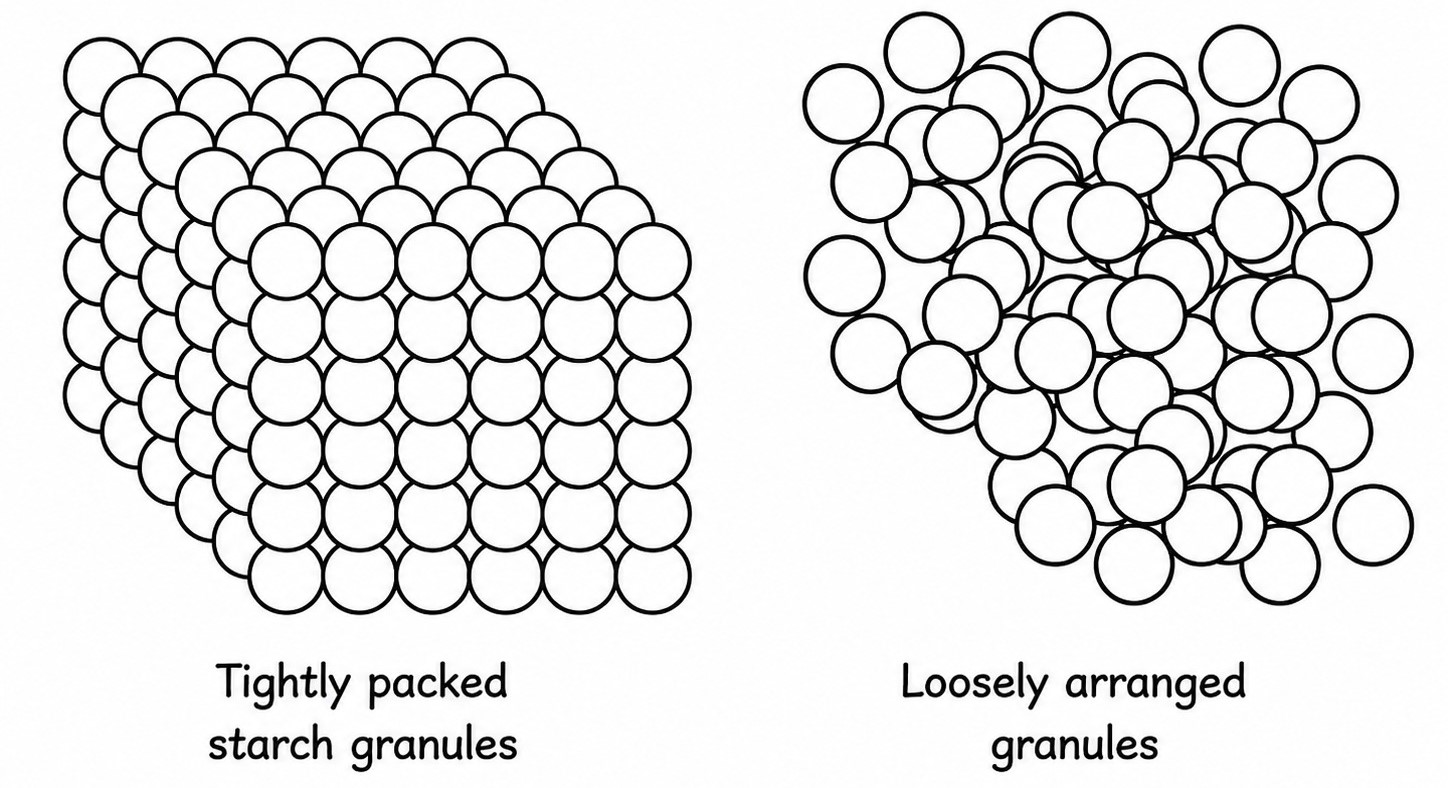
Maize kernels can be “floury” (soft, opaque) or “vitreous” (hard, translucent). This isn’t just physical texture it’s a genetically-determined molecular arrangement.
Floury-Endosperm Maize for Dairy: Wisconsin, 2022
Challenge: Cows fed conventional dent corn achieved only 72–76% starch digestibility, limiting milk production potential.
Genetic Solution: University of Wisconsin breeders developed floury-endosperm hybrids achieving 82–86% ruminant starch digestibility via genomic selection.
Dairy Trial Results (500-cow herd, 120 days):
- Milk production: +2.1 kg/cow/day
- Feed efficiency: +6.4% improvement
- Income over feed cost: +$0.85/cow/day
- Annual value (500 cows): $154,000 improvement
Source: University of Wisconsin-Madison Dairy Science Department (2022)
Trade-off: Floury maize requires more careful storage (higher mycotoxin risk), making stringent quality verification essential.
02Fiber Composition: Brown Midrib (BMR) Genetics
Ruminants can digest fiber but only if it’s not heavily lignified. Lignin content in maize kernels varies genetically from 1.5–3.5%, dramatically affecting fiber digestibility.
Brown Midrib (BMR) Genetics: The bm3 gene mutation reduces lignin synthesis, creating varieties with 20–30% less lignin, improved fiber digestibility, and better overall energy availability for ruminants.
Swine Digestibility: Resistant Starch Reduction
Pigs can’t digest fiber like ruminants. For swine, digestibility optimization focuses on starch accessibility.
Some maize starch is “resistant” escaping small intestine digestion and passing to the hindgut, where fermentation creates gas, reduces energy availability, and increases manure odor.
Genetic solution: Varieties with thinner hull structure, reduced amylose content, and improved starch granule susceptibility to amylase.
The Delivery Gap: When Genetics Don’t Translate
Even genetically-optimized varieties show digestibility variation based on environmental conditions. Heat stress, drought, and delayed harvest can turn floury-endosperm maize into vitreous grain.
Research Study: NDRI, Karnal, 2023–2024
Dairy research station tested identical floury-endosperm hybrid from four different regions. The results are striking:
Why digestibility varies:
- Heat stress during grain filling: Alters starch granule crystallinity, changes protein matrix structure
- Drought stress: Increases kernel vitreousness, elevates zein protein content
- Delayed harvest / moisture exposure: Kernel sprouting damage, enzymatic degradation of starch
The RootsGoods Solution: Digestibility Verification
Our platform assesses digestibility predictors at the FPO level before grain reaches your operation.
Structural Parameters: Kernel vitreousness, protein matrix density, starch granule integrity
Compositional Indicators: Starch content and type, fiber composition (NDF/ADF estimates), protein degradability indicators, phytic acid levels
Quality Safeguards: Aflatoxin screening, fungal damage assessment, mycotoxin risk indicators
ROI Analysis: Digestibility-Verified Procurement
Dairy Cooperative Specifications: 2,000 lactating cows, 8 tonnes maize/day (2,920 tonnes/year)
| Metric | Traditional | RootsGoods Verified |
|---|---|---|
| Actual digestibility delivered | ~78% | 82.5% |
| Milk loss (kg/cow/day) | 1.2–1.6 kg | Optimized |
| Verification cost / year | ₹0 | ₹1.46 L |
| Compensatory feeding | ₹42–58 L | Eliminated |
| Net Annual Benefit | — | ₹1.85–2.50 Cr |
Implementation Across Animal Categories
Digestibility verification works differently for different livestock, each category has its own optimization target:
The Future: Precision Animal Nutrition
Animal nutritionists will formulate based on:
- Lot-specific digestibility profiles
- Genetic variety characteristics verified in field
- Animal category-optimized maize sourcing
- Real-time feed performance feedback
RootsGoods Digestibility Data → Ration Formulation → Animal Category-Specific Recipes → Optimized Ingredient Allocation → Maximum Production, Minimum Waste
The operations that move first to digestibility-verified sourcing will outcompete those still buying on visual inspection alone, just as precision agriculture outcompeted bulk commodity trading.
Optimize Your Animal Feed Digestibility
Request a digestibility audit of your current maize supply. Discover hidden production losses and unlock them.
From DNA to Delivery: The Maize Quality Intelligence Series
- PART 01 Bioethanol: From DNA to Fuel
- PART 02 Starch Industry: Precision Molecular Composition
- PART 03 Poultry Feed: Genetic Nutrition Optimization
- PART 04 Animal Feed (This article)