
Maize being a global staple, is a primary source of carbohydrates for millions, particularly in
developing nations. While it provides essential energy it is also a good source of protein but a poor
protein profile due to low levels of two essential amino acids, lysine and tryptophan.
A significant breakthrough in plant breeding has helped to overcome this limitation i.e., Quality
Protein Maize (QPM), a biofortified variety of maize that contains significantly higher levels of these
essential amino acids.
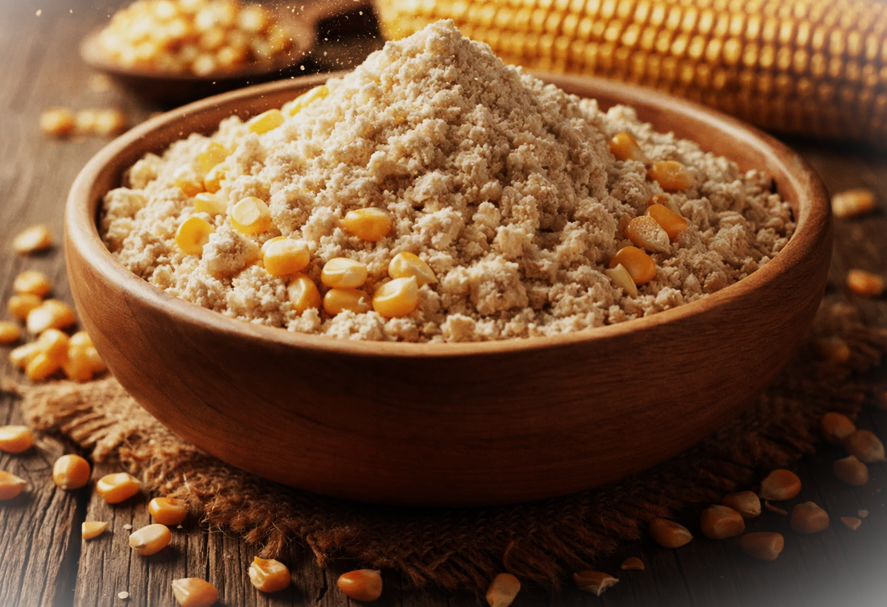
The Science Behind Quality Protein Maize
Quality Protein Maize (QPM) varieties are developed by crossing specific inbred lines to combine
high yield, agronomic adaptation, and enhanced protein quality. The key to this nutritional
improvement lies in a specific gene: Opaque-2 (o2).The presence of this gene in a maize plant
increases the levels of lysine and tryptophan in the grain’s endosperm. There was a major challenge
with these varieties such as a soft, starchy texture that made them susceptible to pests and
diseases.
Thanks to scientists at the International Maize and Wheat Improvement Centre(CIMMYT) who
successfully addressed these issues by introducing modifier genes. These modifier genes work
alongside the o2 gene to create a hard, vitreous kernel, restoring the desirable characteristics of
conventional maize while retaining the enhanced protein quality.o2 gene along with modifier gene
makes QPM. Recent research has identified key genes, like a duplication at the 27-kDa γ-zein locus,
that provide molecular markers to accelerate the breeding process and create superior hybrids. The
versatility of QPM extends to industrial applications, as its starch can be modified to alter physicochemical properties like viscosity and swelling power, expanding its utility in food processing.
Popular QPM varieties include:
Vivek QPM 9 ,Srikandi Kuning 1,H80, H104, BML-7 QPM version, BR451, BR473, INIA 601, INIA 619,
CML161 and CML171, Obatanpa, Mamaba, Aburohemaa and many more.
Benefits of Quality Protein Maize :
For Farmers
QPM ensures farmers do not have to compromise productivity for nutritional quality.
QPM can be used as a superior animal feed, as its higher protein quality reduces or eliminates the
need for expensive synthetic lysine and tryptophan supplements. This is best for farmers who are
into livestock farming.
Nowadays people are becoming more health conscious ,so getting good nutrition from staple food is
what they look for for , therefore demand is more which helps farmers to capture the market.
For Consumers
QPM provides a single food source rich in both carbohydrates and high-quality protein, which is
especially vital in regions where maize is a dietary staple. This can help in overcoming malnutrition.
The enhanced protein profile supports good diet and health benefits are also more. Modern QPM varieties have been developed to possess the same desirable appearance, texture, and taste. No compromise with taste.
QPM’s Role in the Maize Industry
For the maize industry, QPM is a strategic opportunity. By addressing the protein limitation, the
industry can expand the market for maize-based products beyond simple carbohydrates. This
includes entering new, high-value markets for food supplements and specialized animal feed.
The transformation of maize from a low-protein-profile cereal to a biofortified crop represents a
significant achievement in agricultural science. It demonstrates how targeted plant breeding can
enhance the nutritional value of staple foods, contributing to global food security and health.
The success story of QPM is not just a scientific achievement; it’s an act of compassion. It begins with
our great , opaque-2 gene, golden treasure hidden in DNA of every corn kernel. But that treasure
would have been lost without the tireless dedication of the breeders who found it. For decades, they
worked with patience and belief, seeing not just a flawed mutant, but a chance to overcome the
suffering. To them, QPM was never just a research project but a promise to the millions of people
for better health. This maize stands as a symbol to their selfless work that feeds not only bodies,
but also the hope for a healthier and more nourished world.
One thought on “Beyond the Starch: Unlocking Maize’s Protein Potential”
Good info